Our strategic biodiversity vision is “a landscape where biodiversity is prioritised in all decisions, ensuring the long-term ecological integrity of the Shire that enhances the quality of life, work and play for all.”
Our strategic goals are to protect, retain, enhance, educate and collaborate when it comes to our natural environment.
This page aims to provide useful news and resources about living alongside local wildlife. Please explore the drop-down items below to find out more about each topic.
Owl-Friendly Movement
We are part of the owl-friendly movement.
This is a growing group of local governments that protect owls by using better pest control methods.
What’s it all about?
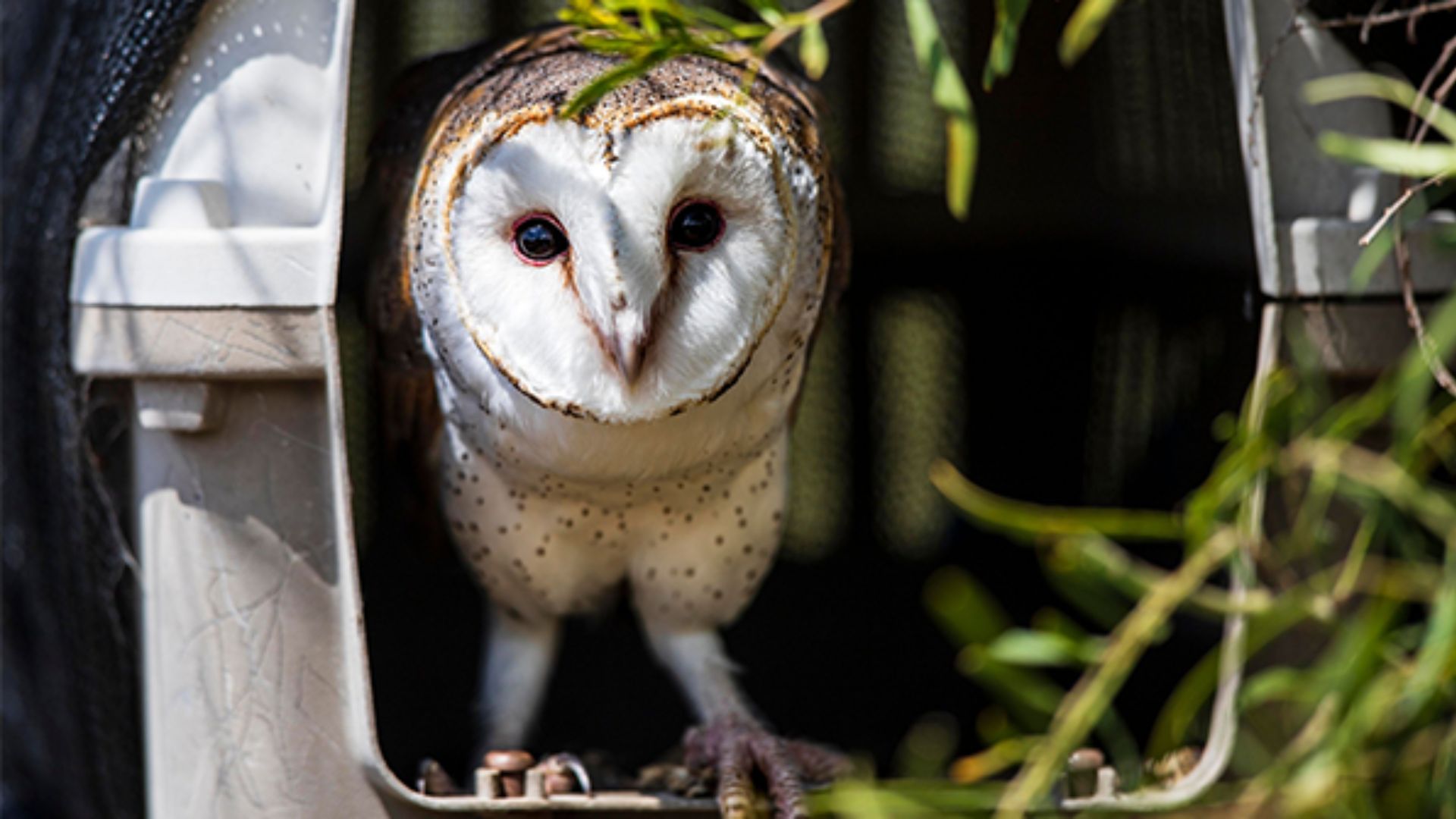
Owls are very important to a healthy, balanced ecosystem. They help prevent the destruction of vegetation and farm crops by eating rodents. A family of barn owls can eat more than 1,000 rodents yearly!
Local governments and private landowners may control rodents using rodenticides. Some rodenticides are more harmful than others. If rodents consume especially harmful rodenticides, the owl may be harmed or killed. These especially harmful rodenticides are known as second-generation anticoagulant rodenticides or SGARS.
What are we doing?
We have been using first-generation anticoagulant rodenticides (FGARs) for quite some time.
These rodenticides are less likely to cause secondary poisoning in non-target animals.
Benefits can include:
- Supporting biodiversity: Owls play a vital role in regulating ecosystems by controlling the overpopulation of other species and reducing pests, which benefits native flora and fauna.
- Promoting natural pest control: Owls are natural pest control. They minimise the need for rodenticides, reducing costs and harm to the environment.
- Reducing disease spread: Owls reduce the spread of disease by controlling rodent populations.
Here are some additional resources to help you give a hoot!
Identification
If you have an animal living in your roof, it’s probably a possum, rat, bird or lizard – but most likely a possum or a rat.
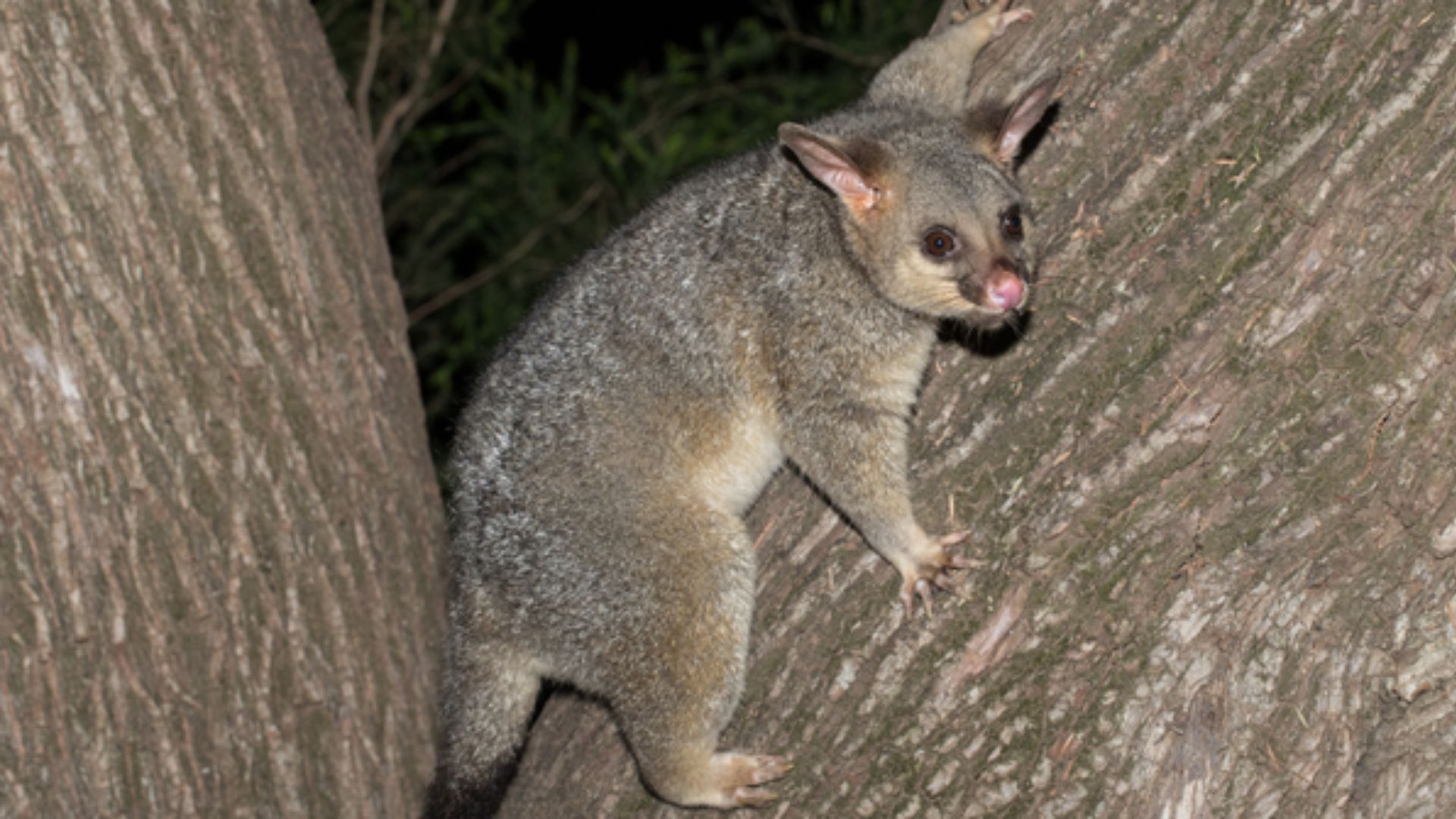
- If you have a possum in your roof, it’s either a Brushtail or a Ringtail Possum. These are native marsupials and often crawl into the roof to rest during the day before searching for food outside at night. It is illegal to harm or relocate possums to other areas.
- If you have a rat in the roof, it’s most likely either a black rat (Roof Rat) or a brown rat (Norway Rat). Unlike possums, rats are not native to Australia and are considered a pest species. You can humanely trap and dispose of them.
The apple test
There are a few telltale signs that something is living in your roof. These include:
- Structural damage – such as damage to plasterboard, ceiling cavities or weatherboards, chewed wiring and urine stains.
- Nests – Rats that have lived in your roof for a while will create a nest.
- Droppings and smell – Droppings or a lingering smell are signs that possums or rats are living in your roof. Rat droppings are pointier and skinnier than possum droppings.
- Noises – Such as scurrying, scampering or thumping sounds, particularly at night. Possums are likely to leave the house at night and return in the early hours of the morning. They are also significantly heavier than rats, so they generally make more of an impact on the ceiling.
If you are unsure whether you are living with a possum or rat, place an apple in the ceiling where you suspect the animal is.
- If it’s completely gone the next morning, you likely have possums.
- If it’s been gnawed at the next morning, you likely have rats.
What should I do?
Set traps for rats: Traditional snap traps are generally the most effective. Electronic traps and life traps for capture and release away from your home are also often used. Poison is not recommended.
Block entryways: Patch holes at night while the possum is out feeding. You can also deter the possum by coating the entrance with disinfectant. This will prevent the possum from identifying the entranceway.
Call an expert: If are unable to remove the animal yourself, call a Pest Control Expert. They will make sure the job is done humanely, and in accordance with the correct laws.
For more information, download our handy booklet at the link below.
Black swans (Cygnus atratus) in Western Australia undergo a synchronous annual moult of their wing feathers, rendering them completely flightless for approximately 4 to 6 weeks. They lose their primary and outer secondary flight feathers simultaneously, making them highly vulnerable to land predators such as foxes, dogs, and cats and external threats such as vehicle strike. To survive, they rely heavily on a distinct behavioural and environmental strategies.
Timing and Seasonality
The annual moult is directly linked to the birds’ reproductive cycle:
- Post-Breeding Cycle: Black swans in the southwest of Western Australia typically breed between May and September.
- Moult Window: Once the breeding season concludes, the adults begin shedding their wing feathers, usually spanning from September through February.
Behavioural Adaptations
Flightlessness strips them of their primary defence mechanism, black swans therefore dramatically alter their social and spatial habits during this period:
- Safety in Numbers: They gather in massive, multi-hundred or multi-thousand bird aggregations on open water such as the Leschenault Estuary. This behaviour provides “dilution effect” protection against predators.
- Habitat Requirements: During the moult, they migrate on foot (please be patient as they cross our roads) to large, open, and permanent water bodies. They require at least 40 meters of clear water take-off distance once their new feathers grow back, so staying on expansive waters is critical.
- Dietary Focus: Being strict vegetarians, they spend this flightless period plunging their long necks up to 1 metre deep to feed on aquatic weeds and algae, avoiding the risky land foraging they might otherwise do.
Flocks of Swans on foot between September through to February with a ragged appearance, are completely normal but there are times when you need to exercise caution.
- Drooping or twisted wings: If the tips of the wings permanently twist outward or droop heavily to the ground, the swan may be suffering from Angel Wing. This is a severe, permanent bone deformity caused by an improper diet—most commonly from being fed bread by humans.
- Paralysis or a limp neck: If the swan cannot use its legs at all or cannot hold its head up normally (a condition known as “limberneck”), it may have avian botulism. This is a swift, paralytic, and often fatal disease caused by bacteria in warm, stagnant water.
- Heavy bleeding: New feathers growing in (blood quills) have an active blood supply. If one is snapped or damaged, it can bleed heavily and may require medical clotting.
- Extreme lethargy or visible wounds: If the swan is sitting completely exposed on a bank, unable to move away when approached, it is likely sick or injured rather than just moult
How You Can Help
- Do not feed them bread: Bread lacks essential nutrients, pollutes waterways, and causes fatal respiratory infections or the disabling “Angel Wing” deformity.
Give them space: Keep dogs on a leash and stay well back from the shoreline so the flightless birds feel secure. - Drive with caution: Please drive carefully around large waterways such as along Cathedral Avenue, Old Coast Road and Buffalo Road.
- Watch with care: stay back from walking swans, do not approach, chase or herd them, keep pets away, watch for traffic, give them time to cross and alert other drivers.
Check for distress: Look for signs of injury like a limp, a hurt wing, fishing gear tangled around them, or if it is a young cygnet alone far from water. - Who to call: If you suspect the swan is genuinely sick or injured, take photos or a short video from a safe distance, and call the Bird Flu hotline on 1800 675 888. FAWNA generally, takes in displaced and distressed waterbirds but they face severe resource and biosecurity constraints during the current H5 bird flu situation. If a bird does not have Bird Flu, ring FAWNA to ascertain their situation 0438 526 660.
Swans at Sea
Swans can swim and feed in the sea or coastal saltwater, but they cannot survive long-term at sea because they need fresh water to drink daily
Why Black Swans Go Near the Sea
- Food sources: They search for seagrass, algae, and marine vegetation in shallow coastal areas and bays.
- Resting: Healthy adult birds occasionally float in the surf or calm coastal waters.
The Dangers of Open Water
- Strandings: Young birds (cygnets) that cannot yet fly are often abandoned by adult parents over the summer or pushed out by strong winds and currents into the ocean.
- Dehydration: Even though they tolerate saline water, black swans must drink fresh water regularly to survive.
- Rescue needs: Stranded or weak cygnets in coastal regions often require intervention from local wildlife groups.
Something to Consider
Black swans remember individual humans and can recognise specific faces over long periods of time.
- Recognising Faces: Research and wildlife observations show that swans have sharp long-term memories and can tell different people apart.
- Remembering Kindness: If you approach a swan calmly, it will remember your kindness. Trusted people are often greeted with relaxed postures or gentle head bobs.
- Holding Grudges: Swans also remember negative experiences. If someone threatens or harms them, the birds may hiss, act wary, or even chase that specific person upon seeing them again, sometimes months or seasons later.
- Passing Trust: Parents have even been observed guiding their young (cygnets) closer to humans they know and trust as safe.
All native duck species are protected under legislation. The most common native ducks in the SW of WA are the Pacific Black Duck and the Australian Wood Duck, with the Australian Shelduck and Grey Teal also commonly sighted.
The best ways to keep wild ducklings safe is by leaving them with their mother, keeping them away from deep water and predators, and contacting local wildlife authorities if they are orphaned.
Nesting
Ducks generally use three different nesting methods:
- Ground / Upland Nesters: Ducks such as the mallards and teals make a shallow scrape in the ground. They line it with grass, leaves, and soft down feathers pulled from their own chests. Chicks will stay on the ground until they learn to fly, and until they can fly their parents will walk them where they need to go.
- Overwater Nesters: Diving ducks e.g. Hardhead, Blue-billed and Musk, build floating nests anchored to reeds or emergent vegetation directly above water.
- Cavity Nesters: Whilst certain species, such as wood ducks and buffleheads, bypass the ground entirely. They lay their eggs in natural tree hollows or artificial nesting boxes high off the ground.
The Hatching and Leaving Process
- The Jump: Once the Wood ducklings hatch, they do not learn to fly in the nest. Instead, they climb up the inside of the hollow using sharp little claws and leap straight down to the ground—sometimes from a considerable height—without getting hurt.
- Journey to Water: After landing, the tiny ducklings follow their parents on foot to the nearest water source or feeding area. Safe walking access within a few hundred metres from water is vital for the young ducklings
General Safety and Handling
- Leave them with mum: The best protection for wild ducklings is their mother. If you see a family, give them space and let them move naturally.
- Avoid deep water: Young ducklings lack natural waterproofing on their feathers and can easily drown or die from hypothermia if they get saturated.
- Do not feed bread: Bread lacks essential nutrients and harms growing waterfowl.
- Call for help: If you find injured, sick, or truly orphaned ducklings, contact a licensed rescue group or local wildlife carer immediately. In Western Australia, you can check guidelines from groups like Western Australian Seabird Rescue. Or if suspected H5 Bird Flu contact the Hotline on 1800 675 888.
Crossing Roads
If you see ducks crossing the road, please stop and let them pass. If it is safe to do so, you can help ducks to cross by slowly walking behind them and informing other drivers of their whereabouts.
Be calm and patient when walking near them. It is important the family stay together, don’t risk scaring the parent as they might fly away.
Sharing Yards
Ducks will often choose residential yards to raise their ducklings, as they are seeking a safe, protected area away from predators.
If possible, it is always best to leave ducks undisturbed as approaching them too closely or chasing them to try and contain them, can separate young from their families and reduce their risk of survival.
Duck families will always move out of a yard if given some time. In a few weeks when the ducklings are less vulnerable the parent will guide them to a local pond or lake. You may be able to leave a side gate open to allow easier access out of your yard.
Pools
Pools can be dangerous for ducklings as they can become waterlogged and drown in water if they have no way to escape.
If you are not using your pool, cover it with a pool cover for the short time the ducklings are in your yard. If it needs to stay uncovered, providing a ramp enables ducklings to easily leave the water.
Drinking pool water can cause health issues due to the chemical additives. Please provide a fresh water source in a shallow bowl.
The duck family will move on as soon as the chicks are old enough.
Orphaned Ducklings
It is always best to reunite ducklings with their families wherever possible. If you find a duckling completely alone, please place them in a ventilated cardboard box, ideally with a towel at the bottom. Place the box in a warm, dark, quiet area while you transport them to the nearest vet or wait for a rescuer to arrive. Please do not hold the duckling and keep the duckling away from all people and pets. Native species see humans as predators and ducklings can die if subjected to excessive stress.
Ducklings do not need to be in water when they are young, and they can die if they get too cold and wet. If you are making drinking water available provide it in a small lid.
Feeding Ducks
The natural diet of our native ducks includes vegetation, seeds of aquatic plants and aquatic insects. Unfortunately, many people feed ducks bread without knowing it can be very harmful. Bread and other similar foods can make ducks ill and it pollutes their water.
Why so many ducklings?
Ducks lay many eggs and have large groups of ducklings to make sure enough of them survive dangerous predators and harsh conditions to reach adulthood.
High Risk and Survival Rates
- Many predators: Ducklings face threats from fish, turtles, hawks, foxes, and large birds.
- Losses are common: Up to 60 percent of ducklings do not survive their first few weeks of life.
- Safety in numbers: Laying large clutches (often 8 to 12 eggs) ensures that even if many are lost, a few will grow up.
Sharing and Adopting (Crèches)
- Egg dumping: Some female ducks lay their eggs in the nests of other ducks to save energy.
- Super broods: Mother ducks sometimes adopt lost or orphaned ducklings, leading to massive groups of young following a single mother.
- Weak distinction: Mother ducks cannot easily count or tell which chicks are theirs if groups mix together
- Low Cost of Parenting: Because ducklings feed themselves rather than nursing, taking on extra little ones adds very little physical burden to the mother while increasing safety in numbers
Hazard Prevention
The Shire of Harvey has been undertaking adjustments to infrastructure over the years to prevent duckling death. This has included small changes that we can all make:
- Providing ramps: If ducklings are trapped in a fenced yard or a backyard pool, use a rough wooden plank or shade cloth as an exit ramp so they can climb out.
- Cover drains: Watch out for open storm drains, as the sound of running water often attracts curious ducklings. Open drains can be covered with grate, which still allows for flow but are too big for ducklings to fall through
- Control pets: Keep domestic cats and dogs indoors or on a leash during duckling season to prevent attacks.
If you see something the Shire can do to prevent the death of ducklings, please let us know!