
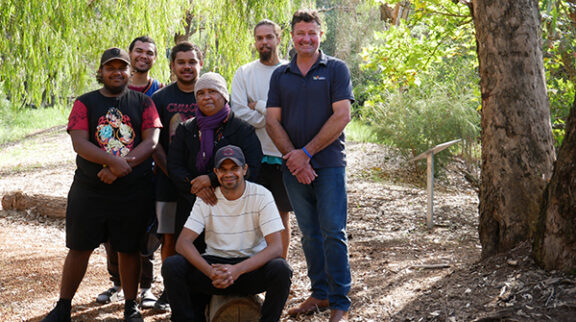
The Shire, in partnership with the newly incorporated Harvey Aboriginal Corporation was successful in obtaining a WA Hiking Participation Grant from the State Government.
The pilot hiking program will be running across entry level tracks throughout the Shire, inviting community members to participate and learn about the cultural significance of the Shire’s natural landmarks.
Shire of Harvey President Paul Gillett said this is a fantastic opportunity to develop local hiking tracks throughout the Shire and create future funding opportunities for local Aboriginal people.
“This program creates tourism and employment opportunities. It is great to have future Aboriginal leaders involved in this project, sharing their culture with the broader community,” Cr Gillett said.
Aboriginal Elder Lesley Ugle said she is happy to have our young indigenous men involved in this exciting program.
“It will ignite that flame in them that can shine bright,” Ms Ugle said.
The $19,000 grant from the Department of Local Government, Sports and Culture will be used to develop the program and the skills of participating hiking and cultural tour leaders over the next 12 months.
In partnership with South Regional TAFE – Harvey Campus, a Certificate 2 in Leadership, as well as Tourism, and Land and Conservation courses will be delivered to the participating tour leaders.
The program is also supported by the Department of Biodiversity, Conservation and Attractions, which will be assisting in the cultural tour development process.
The Shire is seeking expressions of interest from Aboriginal and Torres Strait Islander people residing within the Shire to participate in the program. Expressions of interest are to be directed to Community Development Officer Nicole Andrijevic, via email nicolea@harvey.wa.gov.au or phone 9729 0308. The final selection of participants will take place in consultation with the Elders of the Harvey Aboriginal Corporation.
The WA Hiking Participation Grants program aims to provide new opportunities that grow participation in hiking or develop leaders including guides, instructors and volunteers.
Sport and Recreation Minister Tony Buti said investing in community organisations and local governments enable the delivery of programs that make hiking a more accessible form of physical activity to maximise the positive impact on individuals, communities and the State.